Skip to content

2026 SCHOOL BOARD CANDIDATES

The Osseo School Board has 3 of 6 seats up for election this fall. 7 candidates have filed to run.

Candidate Forums

Hear from candidates, learn about the issues, and prepare to vote your values.
 

None Currently Scheduled

Prepared by Prism Organizing Network, developing leaders for LGBTQIA2S+ safety, dignity, and freedom across Minnesota. Contact Prism’s Co-Executive Director Oby Ballinger (oby@prismorganizing.org) for more information.


OWATONNA

2026 SCHOOL BOARD CANDIDATES

The Owatonna School Board has 4 of 7 seats up for election this fall. 8 candidates have filed to run.
2026 Candidates

Candidate Forums

Hear from candidates, learn about the issues, and prepare to vote your values.
 

None Currently Scheduled

Prepared by Prism Organizing Network, developing leaders for LGBTQIA2S+ safety, dignity, and freedom across Minnesota. Contact Prism’s Co-Executive Director Oby Ballinger (oby@prismorganizing.org) for more information.


PRIOR LAKE / SAVAGE

2026 SCHOOL BOARD CANDIDATES

The Prior Lake / Savage School Board has 4 of 7 seats up for election this fall. 10 candidates have filed to run.
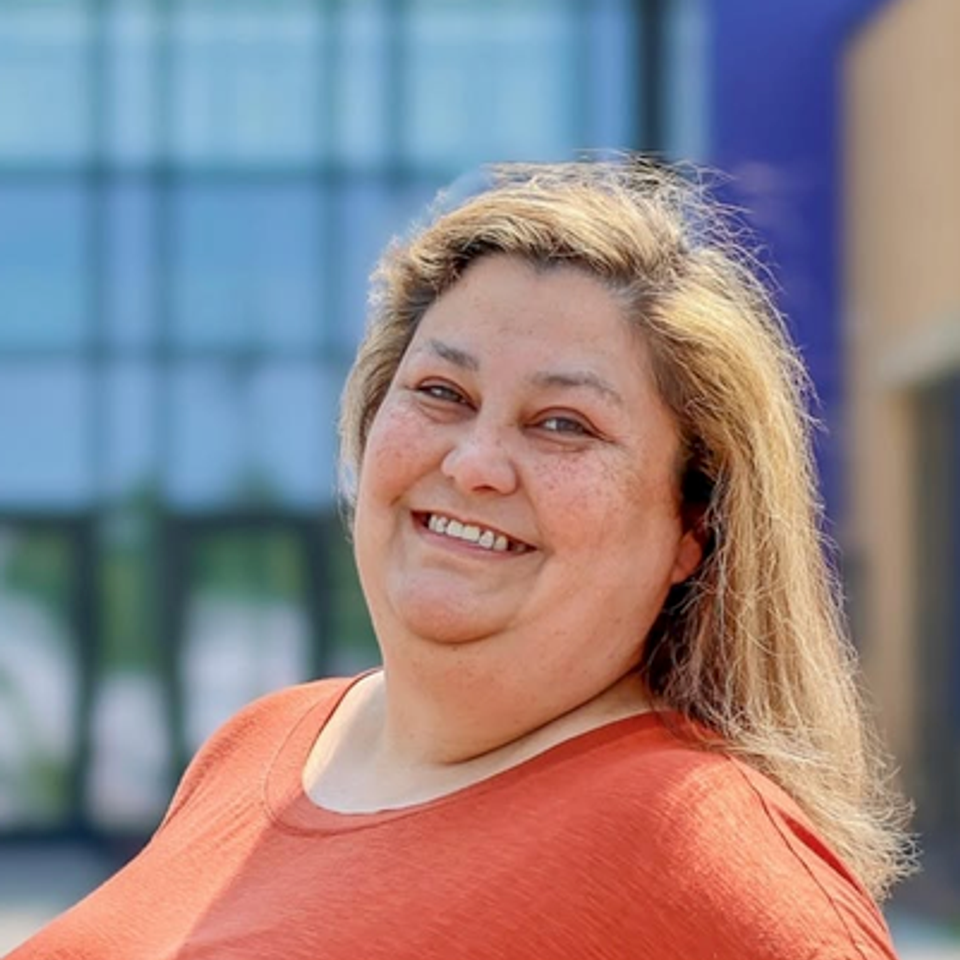
2026 Candidates

Jennifer Anderson

Jennifer Anderson

	Lisa Atkinson

Lisa Atkinson

(incumbent)
Apple on stack of books

Amy Bullyan

(incumbent)
Apple on stack of books

Nancy Dager

Jessica Olstad

Jessica Olstad

(incumbent)
Aaron Provancha
Aaron Provancha
Dustin Smith

Dustin Smith

(incumbent)
Rick Storlie

Rick Storlie

Apple on stack of books

Dillon Ziegler


Meet the Candidates

Watch interviews with candidates running for District 719 School Board serving Prior Lake-Savage Area Schools. Written responses are included below.

District 719 School Board Candidate Responses

Candidates are organized alphabetically by last name.

Note: responses were not received from Amy Bullyan or Dustin Smith.
Jennifer Anderson (click to display)


Please tell us a little about yourself and what motivated you to run for office.

I am Jennifer Anderson. Middle School Parent. Naval Officer. Redtail Ridge PTC Alum. Youth Sports Coach. Savage Neighbor. Education and service have always been core values. Nurtured by my family, these principles guided my career and my lifelong learning. I have always felt a deep sense of duty to give back to the institutions and communities that have given so much to me. As my son begins middle school and my time in service to our country is nearing retirement, I feel it is time for me to contribute in larger ways to our community. Encouraged by neighbors and community members to run for the School Board, I know the timing is finally right. I am ready to serve our students, teachers, staff, and community.

How should District 719 prepare students for both college and career, including career and technical education, work-based learning, and partnerships with local employers?

Every student deserves to graduate prepared for college, vocational training, military service, an apprenticeship, or the workforce. Our goal is to ensure every graduate has the education, skills, and confidence to take their next step successfully. That means maintaining strong academics, expansion of career and technical education, work-based learning, internships, apprenticeships, or other opportunities that allow students to develop practical skills and explore careers before they graduate. It means building strong community partnerships that help us understand what skills employers need, exposing students to careers available right here in our community while creating opportunities for mentoring, job shadowing, and hands-on learning. When a student graduates from our district, do they have the education, skills, and confidence to take that next step? I want the answer to be a resounding yes for every student. The Comprehensive Achievement and Civic Readiness Minnesota statute ensures that school districts offer this kind of teaching and learning. And requires districts to have comprehensive, long-term strategic plans to address these goals—that all students are career and college ready, and graduate from high school.

Given the district’s recent budget reductions, enrollment challenges, and the referendum on the November ballot, what should the School Board prioritize to ensure the district is financially sustainable while maintaining strong educational opportunities for students?

Our priority is to maintain strong educational opportunities while ensuring long-term financial sustainability. This begins with understanding current and future enrollments trends, which must guide decisions about staffing, programs, facilities, and expenditures. We must continue to work closely with the state legislature to secure predictable funding so local taxpayers do not bear the full responsibility for funding public education. Clearly communicating the value of a strong school district is vital, as quality education directly strengthens our community, supports property values, and attracts new families and businesses. We must remain committed to matching ongoing expenditures with ongoing revenues. Difficult decisions are sometimes unavoidable, but responsible leadership requires us to address financial challenges rather than postpone them. The November referendum is an important part of the discussion, but regardless of its outcome, fiscal discipline must remain a priority. Our goal should be a district that provides excellent educational opportunities, uses taxpayer dollars wisely, and is financially sustainable for future generations.

Beyond the district’s financial challenges, what do you see as the biggest issue facing Prior Lake-Savage Area Schools, and what should the School Board do to address it?

Advancing technology may be the biggest issue and opportunity facing education. The world of education is changing at a speed almost incomprehensible because of technology, demands of the world, and people’s changing expectations. Expectations are higher and districts are coming under heavier scrutiny every year. Technology is changing so rapidly, what we budget and plan for five to ten years down the road needs to be agile adapting infrastructure and not simply buying new gadgets. Technology is a disrupter in that it creates enrollment competition and it is also a powerful tool that transforms classroom learning. Today parents can enroll their students in any kind of environment; it has opened multiple opportunities for how students can be educated. Additionally, technology has significantly altered the available tools to educate students. As a district we need to figure out how to manage these changes and challenges, turning them into opportunities that ensure the best K-12 educational system possible. One that our students, employees, families, and entire community can be proud.

Why are you the best candidate to represent us on the District 719 school board?

I have worked with diverse groups to solve problems, build consensus, and achieve shared goals. Serving as a Navy chaplain reinforced the importance of listening first, building trust, and creating space for respectful dialogue. The best decisions come when people feel heard, even if they disagree. Strong schools rely on families, educators, and community members working together. I am committed to open, respectful communication and strengthening the partnership between schools and community

Lisa Atkinson (click to display)


Please tell us a little about yourself and what motivated you to run for office.

Hi I am Lisa Atkinson, my husband Paul and I have been residents of Prior Lake for the past 15 years along with our three children. Four years ago I was elected to serve our community with a commitment to bring greater transparency, fiscal responsibility, academic excellence and a common sense, conservative perspective to the school board. I believe I have delivered on that promise. During my first term, in the one year we had a conservative majority, I voted to eliminate the DEI officer position, end the district’s DEI resolution, and restore a balanced budget. There is more work to be done, which is why I am running for re-election and would be honored to continue to serve our community.

How should District 719 prepare students for both college and career, including career and technical education, work-based learning, and partnerships with local employers?

Our district has created valuable college and career opportunities through programs such as MNCAPS, PSEO, and AP courses. I believe we must build on that success while strengthening academic accountability.

Too many students have honor roll grades while proficiency data show that more than 40% of our students are not proficient in reading and math, and approximately 60% are not proficient in science. We have rising graduation rates with declining proficiency scores which should raise a red flag to every school board member.

For the past eight years, equity-based initiatives have shaped our district’s priorities, yet student proficiency has not improved, as promised. It is time to refocus on accountability, academic mastery and high expectations and to deliver the foundational skills every student needs to succeed in college, a career, and life after high school.

Our community expects the academic excellence promised in our strategic plan. We must ensure every student graduates with the knowledge, practical skills, and work ethic needed to succeed in the real world.

Given the district’s recent budget reductions, enrollment challenges, and the referendum on the November ballot, what should the School Board prioritize to ensure the district is financially sustainable while maintaining strong educational opportunities for students?

The most important lesson I’ve learned as a board member is the board must hold administration accountable to follow budget policies and ensure resources improve student outcomes.

I have not supported a district budget during my first term because I didn't believe the proposed budgets met that standard. In 2023, the Board majority approved $4 million in new investments, including recurring administrative expenses and additional technology. I opposed them because I was not convinced they would help improve student outcomes, and was not comfortable making an ongoing commitment without understanding it's long-term impact on the district's financial health.

The following year, district expenditures exceeded revenue by close to $7M without the board approving a revised budget.

Fiscal responsibility requires more than trusting the system. It means having the courage to ask hard questions, demand transparency, and hold administration accountable. Our limited resources must prioritize classrooms, improvements in student achievement, and programs that directly benefit students - not political agendas or progressive initiatives that lack measurable results. Every dollar spent should improve student outcomes.

Beyond the district’s financial challenges, what do you see as the biggest issue facing Prior Lake-Savage Area Schools, and what should the School Board do to address it?

I believe the biggest issue facing our district is declining enrollment. Every student who chooses other educational options represents approximately $10,000 in lost annual revenue. At roughly 100 fewer students per year, that is about $1 million in revenue. Take, for example, this fall's Kinder enrollment is at 485 students, compared with our graduating class at 750. Thirty-five percent fewer students are choosing to begin their educational journey with Prior Lake Savage Area Schools than are graduating. Those numbers are concerning.

I believe the heart of the issue is that we need to understand why families are choosing other educational options. We cannot reverse declining enrollment until we understand the root causes and give families compelling reasons to choose PLSAS.

With our enrollment projections , we have to make difficult decisions. We cannot continue operating facilities and programs based on enrollment that never materialized. We must right-size our district, protect classroom resources, and focus on academic excellence, strong teachers, safe schools, and opportunities that make PLSAS the first choice for families. Students should never feel the impact if resources are properly allocated to the classroom.

Why are you the best candidate to represent us on the District 719 school board?

I'm the best candidate, as an experienced leader with a four-year record of representing our community with courage, conviction, and grace. I'm not afraid to ask hard questions, challenge decisions, and demand accountability while celebrating students. I have kept my promises of transparency, fiscal responsibility, and academic excellence, while putting students first. I would be honored to continue to serve our community, bringing a conservative, common-sense perspective to the board.

Nancy Dager (click to display)


Please tell us a little about yourself and what motivated you to run for office.

My name is Nancy Dager. I’m a mom of three PLSAS students, a wife, licensed social worker, and lifelong volunteer. I’ve had the opportunity to see education from many perspectives—as a parent, PTC board member, teacher, social worker, and therapist working with students.

Those experiences have taught me to listen first and ask questions before reaching conclusions. I’m running because I believe serving on the School Board is truly public service. I want to work hard for our students and community, provide thoughtful oversight, and help bring people together.

We don’t have to agree on everything, but I believe we can listen to one another, treat each other with respect, and work together for our kids.

How should District 719 prepare students for both college and career, including career and technical education, work-based learning, and partnerships with local employers?

I think we first need to recognize that success after high school will look different for every student. For one student, it may be a four-year college. For another, it could be a two-year degree, skilled trade, apprenticeship, military service, or going directly into the workforce. One path should not be viewed as more successful than another.

I would like students exposed to these choices earlier. Career and technical education, job shadowing, internships, apprenticeships, and partnerships with local employers can allow students to actually experience different careers instead of simply reading about them. We also need to listen to our students. What are they interested in? Where are their strengths? What opportunities are they asking for?

Our job shouldn't be to tell every student what their path should look like. Our job as board members is to give students a strong academic foundation, expose them to meaningful options, and make sure they leave District 719 prepared and confident about whatever path they choose.

Given the district’s recent budget reductions, enrollment challenges, and the referendum on the November ballot, what should the School Board prioritize to ensure the district is financially sustainable while maintaining strong educational opportunities for students?

Every financial decision should start with a simple question: How will this affect our students?

We know there are difficult financial decisions ahead, and the Board has a responsibility to be fiscally responsible. But I also want us asking: How do we keep class sizes manageable? How do we maintain rigor in our programs? And how do we protect the opportunities that are important to our students?

Before we say, “We have to cut this,” I want us to ask, “Is there another way to do it?” Can we provide the same opportunity differently? Can we find a partnership, an alternative source of funding, or savings somewhere that has less direct impact on students?

Not every program or expense can be protected, and difficult choices will have to be made. That is exactly why I believe Board members need to ask hard questions and fully understand the alternatives before making those decisions.

For me, the priority is clear: be responsible with taxpayer dollars while minimizing the impact on our students and their education.

Beyond the district’s financial challenges, what do you see as the biggest issue facing Prior Lake-Savage Area Schools, and what should the School Board do to address it?

Beyond the financial challenges, I believe one of the biggest issues facing our district is strengthening trust among families, teachers, staff, district leadership, the School Board, and our community.

Trust begins with listening. People need to know their concerns are being heard and that different perspectives are respected, even when we disagree. When people trust their schools, they are more likely to stay engaged, work collaboratively, support the district, and encourage others to be part of our school community.

I would like to see us move away from divisions that make people feel they are on opposing sides and focus instead on what we have in common. We can disagree respectfully, ask difficult questions, hold one another accountable, and still work together.

As a board member, I would listen carefully first, ask questions, communicate openly, and work to build collaboration. We may not always agree on how to get there, but I believe we share the same goal: helping our students succeed and making District 719 the strongest it can be.

Why are you the best candidate to represent us on the District 719 school board?

I bring experience as a parent, educator, social worker, therapist, volunteer, and PTC board member. Those roles have taught me to listen carefully, ask difficult questions respectfully, and look at an issue from more than one perspective. I understand that the Board must provide accountability without micromanaging. I’m not running with a personal agenda. I’m running to serve, to listen, to work hard, and to make thoughtful decisions for our students and community

Jessica Olstad (click to display)


Please tell us a little about yourself and what motivated you to run for office.

My name is Jessica Olstad, and I’m a proud Laker mama.

My husband and I have lived in the district since 2012 with our two kids. Our son is a 7th grader, and our daughter is a sophomore.

A little about me – I grew up in Michigan and married a Minnesotan. I’m proud to be a breast cancer thriver. I’ve spent my career in journalism and public relations. Now I manage media relations for the City of Minneapolis.

What motivates me to run? KIDS! After four years, I hope that our community knows that my heart beats for public education. I have 3 priorities: to advocate for equity for all students, create solid financial footing starting with a passed levy and a continued, loyal leadership to move our district into the next 75 years.

How should District 719 prepare students for both college and career, including career and technical education, work-based learning, and partnerships with local employers?

Our students have so many interests beyond high school – and sometimes college isn’t in those plans. They may want to enter the workforce right away or enlist in the military. All options are good options when you’re a graduate of Prior Lake High School.

When it comes to work-based learning, there’s no better example than our MNCAPS program. It’s an incredibly popular catalyst for beyond-high-school training. We’ve had to make some unfortunate decisions with this program, and I’m hopeful with the community’s investment in the referendum, we can perhaps put more money back into this popular program. I’d love to bring back pathways that we’ve had to suspend.

I think much of our work-based learning could start even earlier. With the help of our community and amazing employers, we could partner with administration to bring people into our schools as young as elementary to really get students excited about what comes next. Sometimes when you’re in fifth grade, being a senior seems a lifetime away. But we all know it goes really fast, and sometimes – like me – a student’s interest in a specific field could start to blossom as soon as elementary. I’d love to harness that excitement.

Given the district’s recent budget reductions, enrollment challenges, and the referendum on the November ballot, what should the School Board prioritize to ensure the district is financially sustainable while maintaining strong educational opportunities for students?

This year is our district’s 75th anniversary. I believe one of the board’s priorities close to my heart is ensuring that our district’s next 75 years is built on solid financial footing and in a comfortable and welcoming place for our students and teachers. I’m a strong supporter of the levy questions on the ballot this fall, including the state’s constitutional amendment question. While passing this action would not “fix” every single financial problem, it’s what is needed to set us up for success. I believe in strong public education, and our kids and teachers are worth our efforts to strengthen the foundation of our amazing schools. This also takes a very strong partnership with administration to do what’s needed. We need to trust the team to know what’s best.

I also want to advocate more on behalf of students and teachers not just in our district, but also across Minnesota. We need public education adequately funded at the state level. Right now, the support offered is not sustainable. I have no doubt we can force real conversation around supporting our schools.

Beyond the district’s financial challenges, what do you see as the biggest issue facing Prior Lake-Savage Area Schools, and what should the School Board do to address it?

I see a few challenges beyond the financial issues. We’re losing good staff and talented people to other districts. I want Prior Lake Savage Area Schools to be a destination district again, not just for our kids, but for the people teaching them, too.

Second, we have a public relations and perception problem. Our biggest key message needs to be one of unity, pride and resilience, not one of distrust, rumors and innuendo. We need to come together again as a Laker family to face these challenges head on – and as a community, support public education.

What can the board do about it? I go back to our retreat from a few weeks ago. We need to be a team - not just at the board table – but even more so when we’re not. Being a team doesn’t mean we’ll agree on everything. But we need to be unified in board action. Everything else is a distraction.

Why are you the best candidate to represent us on the District 719 school board?

Our community needs constant, loyal leadership that I know I can provide. I’ll be the steady leader that continues to show up and stand up for our kids and staff. That certainly doesn’t mean I’m not open to change. I always appreciate different perspectives. I may disagree with a position, but I’ll always respect it. I want to show my kids and others that compromise is welcome and so is standing up for what you believe.

I want to show our community love, compassion and fortitude this fall.

Aaron Provancha (click to display)


Please tell us a little about yourself and what motivated you to run for office.

My wife and I have known each other since 4th grade and have been married for 17 years. We are raising two adventurous and creative kids, one is going into 5th grade and the other into 7th grade. We have lived in Prior Lake since 2020. I have been an educator and firefighter, serving my community and educating our future. I work in the healthcare providing educational opportunities to nurses, doctors, and coders at hospitals in the US and abroad. I have classroom and business experience. I have a master's degree in educational leadership. I am motivated to solve issues that impact students, supporting programs that give our students an edge, all while collaborating with our community. I know how education works because I've lived it.

How should District 719 prepare students for both college and career, including career and technical education, work-based learning, and partnerships with local employers?

We should be expanding these programs, not reducing them, by protecting the funding needed to support them. I have heard first-hand how impactful MNCAPs is from parents who had their children go through the program at PLHS. Their stories all had one thing in common: they had kids who were disengaged or wanted more from school so they connected with the MNCAPS program and found engaging learning outside of the typical classroom environment. One family even told me their daughter just graduated from PLHS this last spring and enrolled in a local college; something they didn't think was going to happen. We must continue these opportunities and grow this program and others like it, to provide future generations the chance to engage in education in different ways because not all kids learn the same way. I want all of our students to have the chance to learn with hands-on programs. In 24-25 we had a graduation rate of 95% and kids who continued onto continue their education was 98%. These results clearly show that these programs work and we should continue to fund them.

Given the district’s recent budget reductions, enrollment challenges, and the referendum on the November ballot, what should the School Board prioritize to ensure the district is financially sustainable while maintaining strong educational opportunities for students?

The board needs to focus on trust and active community engagement to inform people how they can support our schools, financially and beyond. I have heard from community members throughout our neighborhoods that our schools are doing poorly. When we compare 23-24 versus 24-25 MCA science scores we see a dip in performance, but no one has addressed the reality or communicated the truth: state requirements increased the rigor. Kids in 23-24 took a completely different test. Improving the scores would require investing in new curriculum from the bottom up. It is easy to misunderstand the lowered performance at face value. The board needs to provide this information to the public so they can understand the real situation and not allow the public to make assumptions about our schools performance. Trust is easily lost, but difficult to regain.

Beyond the district’s financial challenges, what do you see as the biggest issue facing Prior Lake-Savage Area Schools, and what should the School Board do to address it?

Divide and polarization due to misinformation and misrepresentation from a lack of collaborative leadership. This goes beyond the collaboration in the board room; extend the collaboration to our community. We always hear the typical platitudes - words like - transparency, communication, collaboration; but great collaborative leaders do more than speak big words; we recognize them by their actions, not their intentions. The best leaders I've known never spoke to their great leadership, they demonstrated it. Great leaders collaborate well and are always people who need no introduction, they lead with the best interest of those they serve and in the case of the board; the students and the community. We need to find ways to connect our general population to our board members with positive engagement and demonstrate that the board can collaborate as leaders with the community for the best possible educational outcomes for students. We must keep student learning in mind while maintaining a financially viable budget and speak with a unified voice from a collaborative position.

Why are you the best candidate to represent us on the District 719 school board?

As a firefighter I know how to serve my community. I have first-hand experience inside modern classrooms and know the challenges educators face. My business skills will serve our community in solving what matters while using fiscal responsibility in decision making. I am a unique candidate with a range of experience that will serve the community and our students well. I do not use the same tool for every problem; I dig through my toolbox until I find the right one for the job.

Amy Witt (click to display)


Please tell us a little about yourself and what motivated you to run for office.

Hello all! First, thank you for allowing me here to share about myself and my visions for the district. I apologize for my absence, but I am working, helping the littlest boys and girls make their way into the world!

My husband, Adam, and I moved our family to Prior Lake in 2010. We have 4 children, aged 6-25. Our oldest is a PLHS graduate, and our three younger children are still in the district. I have been a nurse since 2007 and have been working in labor and delivery for the last 11 years. I am also a member of St Michael's Catholic Church.

I decided I wanted to run for school board after watching the difference in expectations and skills at school between my first and second children.

How should District 719 prepare students for both college and career, including career and technical education, work-based learning, and partnerships with local employers?

As I mentioned, I have seen a difference in the skills and expectations of students decline over the years. These include using less technology to increase other skills, including penmanship, cursive writing and reading, face-to-face interactions, dealing with confrontation., and more. These skills are all necessary in the real world and therefore need more focus in the classroom. If we can give students confidence in these skills, other harder situations will be easier to navigate. Other things I believe will help are increased involvement in the Arts. The Arts are shown to increase students' confidence, critical thinking, and mental health. Health classes should also have increased focus on coping and physical and mental wellness.

Given the district’s recent budget reductions, enrollment challenges, and the referendum on the November ballot, what should the School Board prioritize to ensure the district is financially sustainable while maintaining strong educational opportunities for students?

More important than the referendum passing is electing board members who will fight to use finances in ways that have the best outcomes for students. With the finances available, we need to focus on making cuts that will have the least amount of impact on student performance or improvements that give the greatest growth to the greatest number of students. This may include improved curriculum, more availability in the Arts or advanced classes. While not all classes or programs can have equal funding, it is important to weigh the pros and cons of any decision prior to implantation. We should also have transparency and look to the community for input whenever possible.

Beyond the district’s financial challenges, what do you see as the biggest issue facing Prior Lake-Savage Area Schools, and what should the School Board do to address it?

Besides finances, I believe trust and communication between the district and the community. We have had so many instances over the years without transparent communication, especially regarding spending, that has hurt the relationship between district and community. It will take time and improved communication to repair this relationship. The district needs to engage the community in more decisions, and be more transparent with the decision that are made, including rationale and benefits of decisions.

Why are you the best candidate to represent us on the District 719 school board?

I am committed to student success and understand that success depends on strong finances, staff support, and student safety. I will listen to our community and stand up for what I believe is best for students and the long-term health of our district. I am willing to have difficult conversations, hear differing opinions, admit when I’m wrong, and change my mind when needed. I will work hard, learn from others, and approach every challenge with respect and a smile.

Dillon Ziegler (click to display)


Please tell us a little about yourself and what motivated you to run for office.
Hello! My name is Dillon Ziegler. I am a lifelong resident of Savage, MN, having lived here for the entirety of my 25 years. I attended Prior Lake-Savage Area Schools for every year of my K-12 education, graduating from PLHS in 2019. I currently work as a special education paraprofessional at an elementary school in Eagan, having just begun my fourth year in this role.

I am running for PLSAS School Board because I want to help shape our society into one that is conducive for everyone to thrive, and that begins with our students, our leaders of tomorrow. As someone who struggled severely in school myself, I have a passion for helping to ensure that other students have a smoother and less stressful experience.


How should District 719 prepare students for both college and career, including career and technical education, work-based learning, and partnerships with local employers?

I believe the programs our district currently offers, such as MNCAPS and PSEO, do a good job helping students prepare for their futures. Bridges Area Learning Center also provides flexible schedules and work programs for students whose needs or goals may not fit the traditional school structure. Our district also already has partnerships with local businesses for job shadowing, internships, and other hands-on work- based learning for students. I'd like to see the district build on these existing programs, while also creating more opportunities for career exploration. For example, incorporating more career and job fairs at the middle schools and high school. This will allow students to see real options before they graduate, become familiar with career fields that pique their interests, and feel more comfortable with choosing non-traditional post-secondary pathways. As someone who only attended college for three months before realizing that it wasn't the right path for me, I believe it is important for our schools to continue to foster a culture in which not pursuing college is destigmatized and viewed as a respectable and valid choice.

Given the district’s recent budget reductions, enrollment challenges, and the referendum on the November ballot, what should the School Board prioritize to ensure the district is financially sustainable while maintaining strong educational opportunities for students?

I believe our community should support the referendum on the November ballot. Increasing the amount of funding per student would help Prior Lake-Savage Area Schools become more competitive with other districts, and it could help attract more families and address our enrollment challenges. However, we also need to recognize that relying heavily on local property taxes to fund public education is a fundamentally flawed system. The school board should advocate for changes at state and federal levels. More stable and equitable funding for public schools, greater state and federal investment, and more flexibility to diversify local revenue. I also strongly support the statewide constitutional amendment on November's ballot that would increase funding for all school districts through Minnesota's Permanent School Fund without raising individual income or property taxes. As a community, we should work to ensure that amendment passes. Ultimately, financial sustainability requires both responsible local budgeting and advocacy for a more equitable funding system that allows schools to maintain strong educational opportunities for every student.

Beyond the district’s financial challenges, what do you see as the biggest issue facing Prior Lake-Savage Area Schools, and what should the School Board do to address it?

I believe the biggest issue facing our district is our failure to create an inclusive environment where every student feels safe, secure, and like they belong. We haven't succeeded at that, and the school board needs to take a more active role in addressing it. We need to be vocal about discrimination when it happens. There have been reported incidents of racism in our schools, as well as situations involving transphobia, and we need to call these out. Having open conversations and the language around these issues need to be normalized, so students know that we take these issues seriously, that we care, and we've got their backs. We also need to be more inclusive of students with different learning styles and needs. Not every student learns the same way, yet our education system often pushes students to conform to a specific standard. We should be more open-minded and creative in our approach and focus our efforts on reshaping the system to fit students, rather than forcing students to fit the system.

Why are you the best candidate to represent us on the District 719 school board?

I believe that people who have been given decision-making power should actually reflect the lived experiences of those who’ve been elected to serve. I will bring fresh perspectives to the school board as the only candidate or member who has first-hand experience as a student in this district and who also works directly with students and staff on a daily basis, providing me with personal knowledge of the systemic and day-to-day struggles of schools on a wider scale.

Candidate Forums

Hear from candidates, learn about the issues, and prepare to vote your values.
 

None Currently Scheduled

Prepared by Prism Organizing Network, developing leaders for LGBTQIA2S+ safety, dignity, and freedom across Minnesota. Contact Prism’s SW Exurbs regional lead Paul Holzmeyer (pholzmeyer@pridelending.comfor more information.

ROCHESTER

2026 SCHOOL BOARD CANDIDATES

The Rochester School Board has 4 of 7 seats up for election this fall. 10 candidates have filed to run.
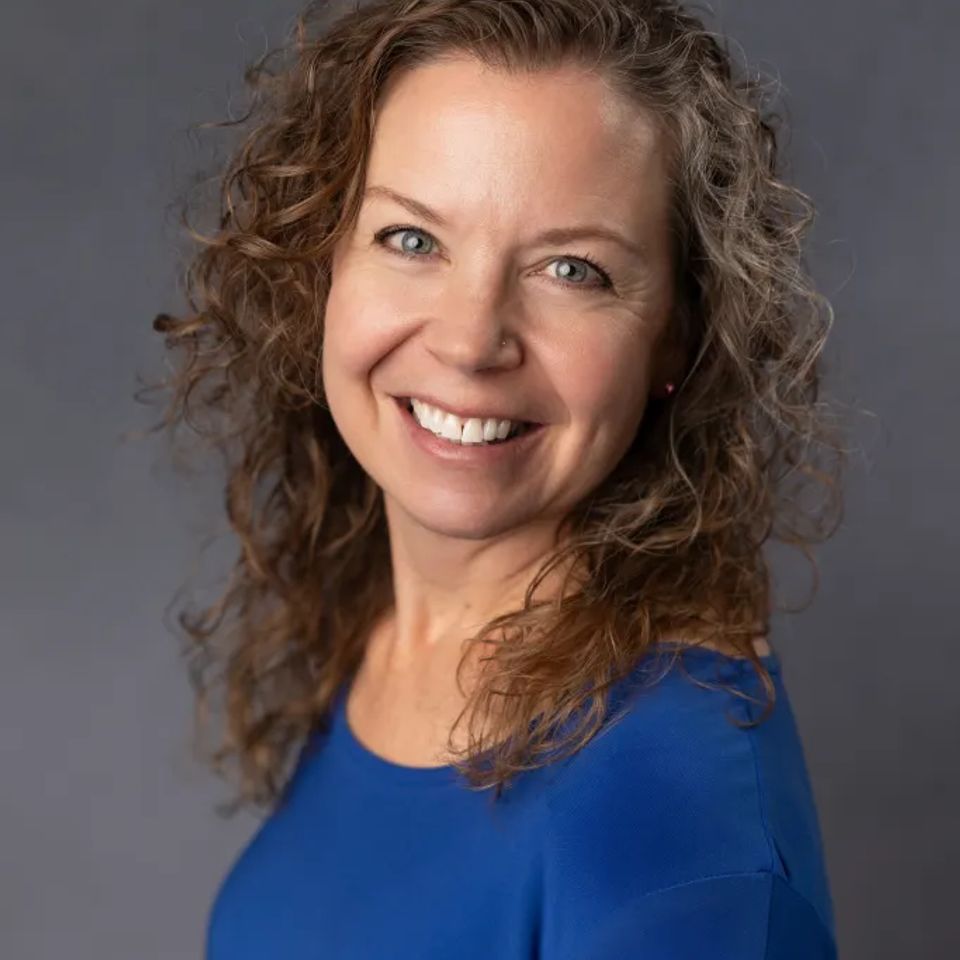
2026 Candidates

Apple on stack of books

Joe "Joe(Y)" Christenson

Justin M. Cook

Justin M. Cook

(incumbent)
Apple on stack of books

Pat "Pot" Farmer

Ana Folpe

Ana Folpe

Josh Koestler
Josh Koestler
Joe LaForge

Joe LaForge

Cathy Nathan

Cathy Nathan

(incumbent)
Apple on stack of books

John Peck

Candidate Forums

Hear from candidates, learn about the issues, and prepare to vote your values.
 

None Currently Scheduled

Prepared by Prism Organizing Network, developing leaders for LGBTQIA2S+ safety, dignity, and freedom across Minnesota.


STILLWATER

2026 SCHOOL BOARD CANDIDATES

The Stillwater School Board has 4 of 7 seats up for election this fall. 8 candidates have filed to run.
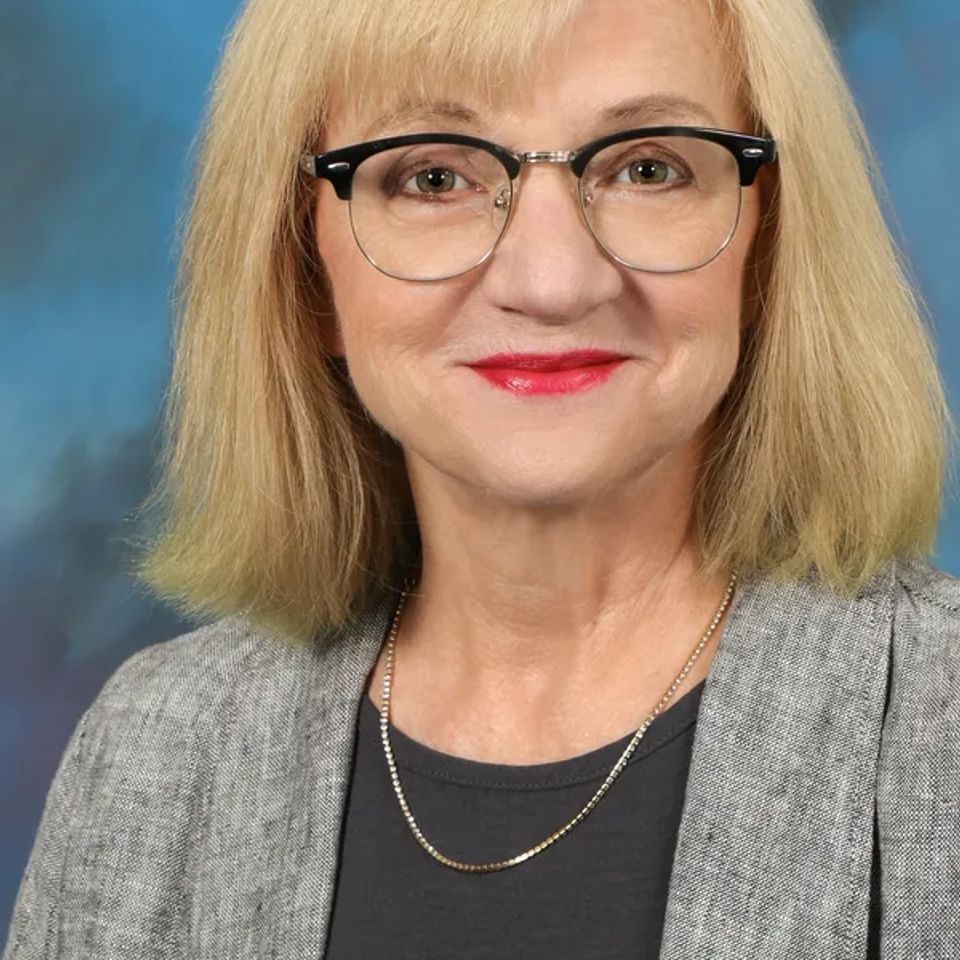
2026 Candidates

Ashley Cegielski

Ashley Cegielski

Zack Dinzeo

Zack Dinzeo

(incumbent)
Amilee Ellis

Amilee Ellis

Jillien Haroldson

Jillien Haroldson

Pete Kelzenberg

Pete Kelzenberg

(incumbent)
Christopher Lauer
Christopher Lauer
(incumbent)
Alison Sherman

Alison Sherman

(incumbent)
Apple on stack of books

Elizabeth Taylor-Schiro

LWV Candidate Forum

District 834 School Board Candidate Forum on September 12th at 10:15am

Candidate Interview Responses

Please tell us a little about your connection to the district.  Do you have children who have attended, or will attend, Stillwater public schools?

Ashley Cegielski
Ashley has lived in Stillwater for the last 11 years and has been married for 13 years. She has four children. Two attend middle school and elementary school in the district. She has another child at River Falls HS and one who is in college.

Ashley is currently the Chair of Bayport Elementary Parent Group and has been a member of the group for 5+ years. She is a finance professional and is also on the District Finance Committee. In both of these roles, her primary focus is to make sure that policy and budgets reflect the best interests of all students. She believes that data-driven analysis is the key to good decision-making.

Her involvement in these organizations is where she learned about the workings of the school board and how to understand the budgeting and finances of the district. She was encouraged by colleagues in these organizations to run for the board because she is a good listener and is willing to put in the effort to understand things on a deeper level.
Zack Dinzeo

My wife Nichole grew up in Stillwater, graduated from Stillwater, and has worked in the District for over 10 years now in School Age Care and is currently a Coordinator there.  We have two kids together, Declan who will turn 5 in October and will enter Kindergarten in 2027, and Delaney whom is 2.  Both will attend Stillwater Schools as we actually moved back to Stillwater last year due to our belief in our School Staff and educators.
Amilee Ellis
I’ve got 5 kids–two adults who graduated from Stillwater Area High school, one in high school, one in middle school, and one in elementary school. One of my daughters was in the GATE program and took PSEO classes through Century.  She graduated from high school with an AA degree.  My grandmother, my mom and I also graduated from Stillwater, and my grandmother was on the school board.  I have a family member who is part of the LGBTQ community.

I’m running for school board because students need more mental health support, more social workers, more librarians, more books, more time in nature, and more play-based learning.
Jillien Haroldson
Jillien has 4 children who are in the Stillwater Schools: a 6th grader, 4th grader and 2 kindergardeners, who were also in pre-k.  Her family has lived in the district for 9 years, and she has been involved both as a class volunteer and in PTA. Her middle daughter has medical concerns, which prompted significant school involvement as a mom.  She is familiar with other schools in the district via her friends.
Christopher Lauer
I’ve got one son who graduated from Stillwater High School in 2023 and one that is a senior this year.  We came from Minneapolis and moved here because we like old houses. It’s a nice place to raise a family.  We’ve been hip deep in school for 16 years.  I’m running for school board again because I want to support that feeling of stability.
Alison Sherman
Alison has a son that graduated from Stillwater Area HS and attended both Oak-Land Middle and Lake Elmo Elementary. Like most parents, she started as a classroom volunteer, and PTA member. She noticed that decisions were being made at the school board level. This led her to attend more school board meetings. There had been some turbulence on the board in the past and Alison started writing meeting summaries for lengthy board meetings to help the community get easy access to information and educate the community about topics of interest and board decisions. 2020 was when Alison first ran for school board and has been on the board for the last six years. Alison is actively involved in the Association of Metropolitan School Districts (AMSD) as Chair and has enjoyed getting into the policy and legislative advocacy side of education. Alison wants to continue encouraging engagement with people affiliated with our schools as well as the many community members who don’t have an active connection to our schools but strongly support them. Schools should be welcoming, safe environments for all learners and staff so learning can be the focus.
Elizabeth Taylor-Schiro

Our immediate family is just myself, my husband Travis, and our 4.5 year old son Jude (as well as our pup and kitty!). We have lots of extended family peppered throughout Wisconsin and Minnesota - but no one else that lives in the district. We’ve lived in the district now for almost 7 years and Jude will attend Brookview when he starts kindergarten next Fall. 

We have worked with the district already though, because Jude has an IEP (individualized education plan) through the early childhood special education services with the district currently for speech - he used to also have it for large motor and social-emotional but then progressed out. We are actually going to have him retested for large motor. That has been an excellent source of support from the district that we have been utilizing for almost 3 years now.

What role should the school board play in making sure LGBTQIA2S+ students feel safe, respected, and able to be themselves at school?

Ashley Cegielski
Ashley believes every kid should feel that way. “I want my children to be proud of the district they are in.” She feels that children deserve a safe environment where learning can happen and that they feel like they belong. She would like to review policies and expectations around bullying and harassment to ensure kids feel safe asking for help and will uphold these policies and make sure they are being followed. “I am an ally.”
Zack Dinzeo
Every student and staff member deserves to feel safe, respected and welcome in their school regardless of who they are or how they may identify.  Our Role as board members is to set clear expectations and policies for respectful behavior and that clearly shows that bullying, harassment, and discrimination are taken seriously.  We also need to listen to our students, families, teachers and staff to make sure we are making decisions based upon not only what is best for our students and combine those with research, data and current laws.
 
Amilee Ellis
The school board should play a huge role in that because they make the policy. They’ve got a GSA (Gender & Sexuality Alliance) Club at school.  Students need a safe and inclusive space to go. Students need more education on how to understand themselves and other people, to think independently, and to be accepting of others.
Jillien Haroldson
Jillien is still learning the role of a school board member, but she believes that environment is essential for student safety.  A respectful, open-minded environment that encourages interest in learning and critical thinking helps students explore their capabilities, whatever their learning style.  All students should be seen as an asset to our community.  
Christopher Lauer
The teachers and counselors do all the work in this area. The teachers know the students’ stories and know what kind of help students need.  It’s problematic because we lost some counselors and some specialists due to $12 million in budget cuts during the last couple years.  Now their caseloads are too big. They can spend less time individually helping kids.  The school board can provide more support by having the necessary staffing. We say yes and no to funding things. The board’s role is really in supporting the administration that puts a structure in place for kids that need help. We’re going to have to go out for an operational levee I would imagine next year.  You can only cut your way out of it so much to balance the budget. Sometimes you’ve got to grow. We’ve got to work with the legislature for sustainable funding.  I’m very concerned about having another trifecta in state government and that well intentioned people will create more unfunded mandates. We meet with legislators once per year and let them know that their decisions have a real-world impact.
Alison Sherman
Alison believes the same policies and goals for helping to create a safe and welcoming school community should apply for all marginalized groups of students and teachers. She noted that the board recently supported Identity Harm Protocols which creates a framework for inclusiveness including policies and procedures if/when students may be bullied, discriminated against, or excluded for how they show up. The policies and procedures created were in alignment with the district’s strategic plan. It is a balanced approach that makes sure victims feel supported and heard while holding people appropriately accountable. The goal is to educate students and staff and provide restorative practices for all parties. Policies, identity harm protocols and the district’s behavior matrix have been developed so expectations and outcomes are predictable and known. The goal is to ensure a healthy environment for learning is established. Students also need trusted adults they can talk to help ensure a supportive learning environment. There is more work to be done in support of our district’s strategic plan and Alison is committed to partnering with her fellow board members, students, superintendent, staff, and the broader community to make sure that happens.

Alison also feels it is important for board members to be ambassadors in the district. She makes time to attend activities and tries to make herself available to affinity groups throughout the district to make sure they are seen and heard. Legislative advocacy around sustainable funding is crucial to ensure that schools have the resources they need to provide what students need to thrive. What people want from their school experience is similar: a safe environment where kids can learn and grow. Everyone in the district can help to reach out to legislators to make their voices heard about funding and sufficient support to address mental health and well-being needs in our schools.
Elizabeth Taylor-Schiro
I believe student mental and physical health and well-being should be the school board’s highest priority, regardless of how a student identifies. While college, career, and civic readiness are important outcomes, students cannot fully learn, thrive, or reach those goals if they do not feel safe, supported, and well. Research—and our own experiences in schools—consistently demonstrates the close relationship between students’ mental and physical health, sense of belonging, and academic success.

My leadership is also grounded in a universal design lens: an upstream approach that intentionally designs policies, programs, processes, and environments to work well for the greatest number of people from the outset. That means considering the experiences and needs of the students and families most likely to be impacted during the design process, rather than trying to address inequities after the fact.

We know from our own district data and broader research that LGBTQIA2S+ students can face disproportionate challenges related to mental health, physical safety, belonging, and safety from both peers and adults. Their experiences therefore need to be part of how we think about school culture and how we design the policies, programs, and initiatives that shape it.

Creating an inclusive and supportive school culture should be intentional, not incidental. I believe students and families who identify as LGBTQIA2S+ should have meaningful opportunities to inform the development, implementation, and ongoing evaluation of the policies and programs that affect their lives. Their voices should not be sought only after a decision has been made; they should be part of the process from the beginning.

When we design with—and not simply for—the students and families who may be most impacted, we create stronger systems for everyone. At the same time, I recognize that the ideal approach will not always be possible given current or future legal and policy constraints. In those circumstances, the board has a responsibility to work collaboratively with our superintendent, staff, students, families, and community partners to understand what is feasible, identify where we have flexibility, and implement the strongest protections and supports available to us.

For me, this is ultimately about creating schools where every student can be safe, healthy, known, and able to thrive—and where our commitment to student well-being is reflected not only in what we say, but in how we design and make decisions.

How does, or should, the district track school climate and student well-being for LGBTQIA2S+ students and staff specifically, alongside the broader student body?

Ashley Cegielski
Not sure how these things are handled in the district in this area; are there surveys; student surveys; mental health assessment; SABER; attendance reporting…bullying reports…having more data around statistics; how do things impact families and staff as well as students?
Zack Dinzeo
Anonymous student surveys that are conducted twice a school year would benefit us in determining how we are measuring and handling students well-being in our schools.  These are items we can set up internally with no cost like through Google Forums and other areas.  We also should be looking at attendance trends, harassment /bullying reports, and student engagement to help us determine how students are connected to our schools. We then need to act on the data we collect to help make meaningful change as if all students don’t feel safe and welcome in our schools than items like our test scores will not improve.
Amilee Ellis
I think student surveys are the best way to track this.  The teachers, even the ones who are really close with the students, are going to miss some of the interactions that happen in the hallways.
Jillien Haroldson
She thinks that school climate and student well-being is currently tracked via letters and surveys.  Teacher and staff imput is important and should be gathered.
Christopher Lauer
They do the saber three times a year to gauge student mental health in middle and high school.  The teachers and counselors are doing all the work. They work together in teams and talk about every kid.  They’re flagging kids for whatever they might need to help get them to the next level, to keep them moving.  So for kids that are struggling academically or with mental health or socialization, they get help.
Alison Sherman
There are several processes for assessing students' academics and well-being. The SAEBERS assessment, given by teachers three times a year, is a social emotional and well-being risk assessment. This helps staff know which of their kids might need additional support services. 

The BARR program (Building Assets and Reducing Risks) started at the high school, and Lake Elmo Elementary was among the first pilot elementary schools in the nation. The program is being rolled out to other elementary schools in the district through grant funding. These programs, and others, are a way of coupling social-emotional skills with academic learning. There is also an optional state-run student survey, conducted every three years that helps inform staff and board policy, procedures, and decision making.

Staff support is through our healthcare plan which provides coverage and access to self care practices and support. The PTA and other community groups help to make sure teachers and staff feel supported. A Superintendent Staff Advisory Group is being started this year to provide further voice across all staff groups. 

The district has made significant investments in Curriculum. Recent literacy curriculum updates help ensure reading materials reflect all kinds of students. It’s important for learners to see themselves more accurately represented in the material and readings which goes a long way toward learning.
Elizabeth Taylor-Schiro
I aim to build a deeper understanding of student experiences across our district—not only for LGBTQIA2S+ students and families, but also for BIPOC students, students from other historically underrepresented or marginalized groups, and the broader student body. We need to understand both the experiences of students whose voices may be less represented and the experiences of our student population as a whole so that we can identify disparities, strengths, and opportunities for improvement.

I see that the district uses the Desired Daily Experiences survey, and I know the district also participates in the Minnesota Student Survey, which includes measures related to relationships, mental health, and student well-being. While that is valuable information, it is not a complete picture: students are not required to answer every question, and the survey is limited to grades 5, 8, 9, and 11. I would therefore want to understand what additional data and sources of student voice we currently have available.

Without knowing what other data may already exist, I would start with these measures as a baseline for identifying where we need to listen more deeply. Data can help us see where there are disparities or gaps, but the numbers alone do not tell the whole story. I would pair quantitative data with direct student and family experiences to better understand what is happening, why it is happening, and what we can do differently.

I want us to use data not simply to measure outcomes, but to identify whose voices we may not be hearing, where students are experiencing barriers or inequities, and where we have an opportunity to learn, improve, and build a stronger sense of belonging for every student. 
 

If the district faced community backlash or funding threats over policies supporting LGBTQIA2S+ students, how would you respond as a board member?

Ashley Cegielski
Since she is not currently on the board, Ashley doesn’t know how she would respond, as she does not yet have all the information. She sees the School Board as a governing body and believes you must listen to everyone’s perspective and not make things political – including their fears and opinions. Ultimately, she would want to circle back to what’s best for students and families and use data and analysis to make the best decisions. She acknowledges that not everyone will agree with every School Board decision. Her goal is to do what’s in the best interest of students, families, staff, and the community. 
 
Zack Dinzeo
No matter a decision a school board member makes they will always face backlash from the community on any decision made.  Like any other topic when backlash is received my role is to listen to everyone’s feedback and make the best decision for our School District as a whole.  Decisions need to be made based upon listening to our Students, Staff and community members combined with research and data.  The best we can do is make sure everyone is being heard and make sure they know they are being heard.
Amilee Ellis
LGBTQ people are part of the community, and being accepted is better for their mental health, and everyone’s mental health, and lowers the suicide rate. You don’t have to agree with other people’s decisions; just be accepting.  If people push back on moving things forward, use it as an opportunity to educate on acceptance.
Jillien Haroldson
If there was community backlash over a policy or funding threats, Jillien believes that the bottom line is student well-being.  She sees the role of the board in such instances as holding the superintendent accountable and figuring out the funding as need be.
Christopher Lauer
Hopefully we’ve done enough work to know that the decision that we made is sound.   If we’ve decided how we’re going to go, we listen, but there is no reason to go backwards.
Alison Sherman
The district created a strategic plan for our school district with input from students, staff, families and community members. That plan creates the strategic framework for what our community wants the board and staff to focus on supporting. The board and staff’s work reflects back to the strategic plan to make sure policies and procedures are in alignment. We have a very supportive community and Alison hasn’t had a lot of experience in receiving significant community backlash in the work of creating safe, bully-free, inclusive schools for all.  Sufficient and sustainable funding is an issue in public education, but good policy and strong staff created procedures doesn’t have to cost a lot of money. The board is upping their game in funding advocacy as indicated by Alison’s participation in AMSD. The board is also required to meet all state and federal laws and this can change local budgeting priorities. 
Elizabeth Taylor-Schiro
In moments like these, it is critical to develop a comprehensive understanding of the issue while recognizing that strong partnerships are more important than ever. As a board member, I would seek to understand the perspectives on all sides, gather both quantitative and qualitative data related to the policy being challenged, and work closely with our superintendent, legal team, and advisory councils—particularly those whose experiences and perspectives are most closely connected to the issue at hand.

Our district’s model of community engagement is rooted in the belief that community should help lead the decisions that shape our schools. I am committed to leading through that model, especially during turbulent and contentious times. Effective leadership does not mean having all the answers; it means asking the right questions, listening deeply, relying on evidence and expertise, and creating the conditions for our community to move forward together. Even when there is disagreement, I aim to lead with transparency, respect, and a shared commitment to doing what is best for our students and our district.

How would you want community members and organizations to be able to work with the board to make the district more inclusive for students, families, and staff?

Ashley Cegielski
Ashley appreciated our interview time and wished she could have the same time with all the members of the community. She believes it is important for community members to attend School Board meetings and participate in the district however they can. She knows it will be important to talk with families, students, and community members to make sure their needs are being heard. “I want everyone to feel safe and supported.”
Zack Dinzeo
We need to work together by having meaningful conversations.  Board members shouldn’t have all the answers and are not the experts in every situation so I believe that it is our role to make sure we listen to others that have experience in areas like supporting students which can be done by building partnerships. 
Amilee Ellis
I think we’ve gone backwards by trying to stop everyone from talking at the school board meetings. You have to call ahead or write to the school board members.  You have to get approval for what you’re going to say.  They don’t have open forums. People feel like they’re not able to speak.  I feel like our board is really shutting out the community, and I feel like the community is not being heard. We’re really blocking out a lot of people’s concerns.  Everyone should have more of a voice and be able to be heard.
Jillien Haroldson
She views being a board member as a shared learning experience with the community coming together and getting to know one another. All people can have access to board members informally and also via email and phone contact to relay their experiences and ideas about inclusivity.
Christopher Lauer
I think the school board needs to be more intentional about actually getting community feedback.  We get feedback at the building level, but we need to do better at the board level.  We’re reacting and we could be getting in front of things.  We let people speak in front of the board for 3 minutes, but I would prefer to let people talk longer. Some people need more time to get their thoughts out and to know that they have been heard. 
 
Alison Sherman
The board needs voices from the community - what’s working, what could be improved. Budget reductions are painful and make staff’s work more challenging and ultimately reduce the supports students and families rely on. Alison encourages community members to share experiences with legislators and help the district advocate for full funding and support for education, as well as the equitable distribution of resources among districts. Email legislators how insufficient funding has impacted your family! They need to hear from community members and not just the school boards and education professionals. Alison will be working on how to better open channels of communication with community members and increase legislative engagement within the broader community. It’s important to create connections. She appreciates when community members step up to say “how can we help”. We will accomplish more working together.
Elizabeth Taylor-Schiro
The three values that guide my leadership are love for, partnership with, and transparency with our students, staff, families, and communities. I want to continue strengthening the ways our school board listens to, partners with, and meaningfully engages the people and organizations that make up our district—including students, families, staff, and community partners.

I already see strong examples of this work, particularly through the district’s advisory councils and committees, community engagement specialists, and opportunities for youth voice and leadership. I want to build on what is working while also being honest about where we can do better.

Similar to question #3 and the importance of tracking student climate, I would want to better understand how we currently measure family, community, and school partnership and engagement—and identify additional ways we can measure it meaningfully. We cannot strengthen what we do not understand. By listening to our communities and using both quantitative and qualitative measures to understand their experiences, we can identify gaps, hold ourselves accountable, and make informed decisions about where deeper partnership and engagement are needed.

People are losing trust in our public schools, so we need to continue to work toward building trust with relationships, and I believe authentic engagement and trust building is not simply about inviting people to the table; it is about ensuring their voices are heard, valued, and reflected in the decisions we make.

Candidate Forums

Hear from candidates, learn about the issues, and prepare to vote your values.
 

None Currently Scheduled

Prepared by Prism Organizing Network, developing leaders for LGBTQIA2S+ safety, dignity, and freedom across Minnesota. Contact Prism Organizing’s East Suburbs regional lead Lori James (lorihj351@gmail.com) for more information.


WHITE BEAR LAKE

2026 SCHOOL BOARD CANDIDATES

The White Bear Lake School Board has 4 of 7 seats up for election this fall. 8 candidates have filed to run.
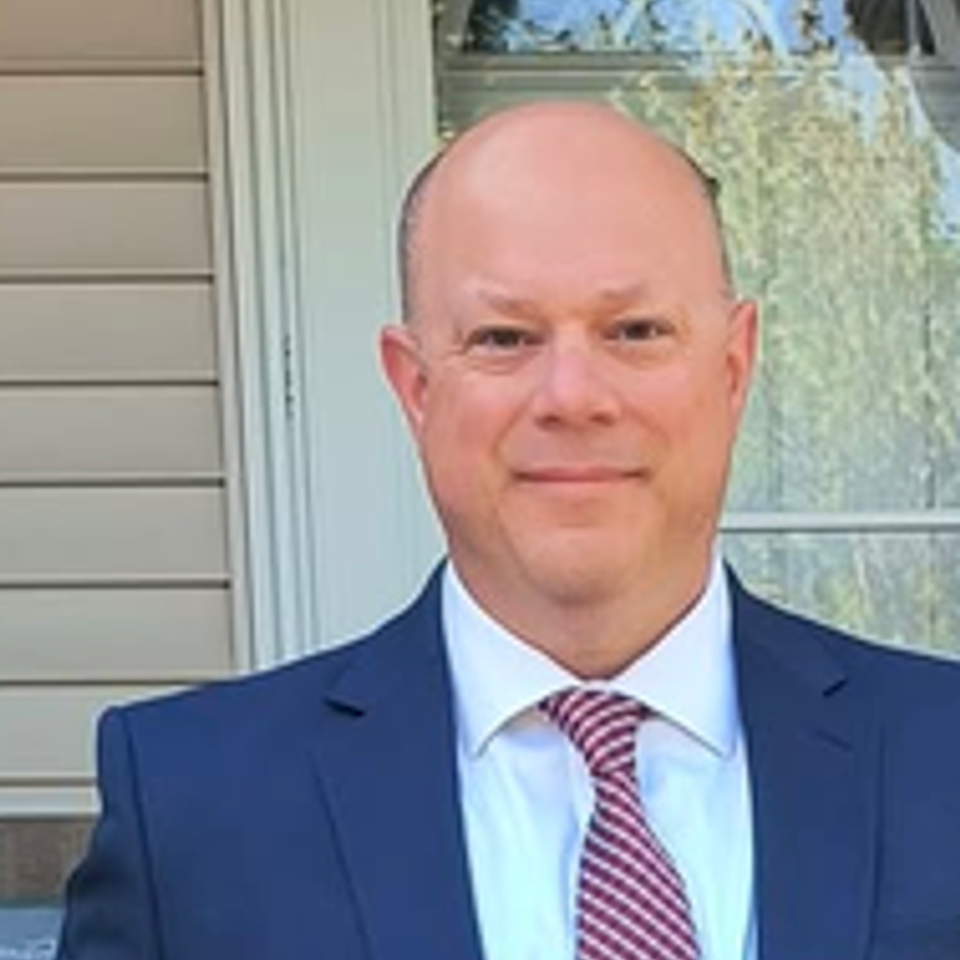
2026 Candidates

Dan Arcand

Dan Arcand

Colleen Berquist

Colleen Berquist

Bob Kromin

Bob Kromin

Amanda McFarlane

Amanda McFarlane

Christina Streiff Oji

Christina Streiff Oji

(incumbent)
Amy Puschinsky
Amy Puschinsky
Apple on stack of books

Melissa Roberts

Ryan Vernosh

Ryan Vernosh

Candidate Forums

Hear from candidates, learn about the issues, and prepare to vote your values.
 

None Currently Scheduled

LVW Forum, September 12, 2026

Prepared by Prism Organizing Network, developing leaders for LGBTQIA2S+ safety, dignity, and freedom across Minnesota. Contact Prism Organizing’s East Suburbs regional lead Lori James (lorihj351@gmail.com) for more information.